 Saltar al contenido
1. What is Motion Graphics in the Modern Era?
Modern motion design is a sophisticated blend of graphic design, animation, and filmmaking. Unlike traditional 2D animation, which focuses on characters and narratives, motion graphics primarily deals with animating typography, logos, and abstract shapes to communicate a message quickly and effectively.
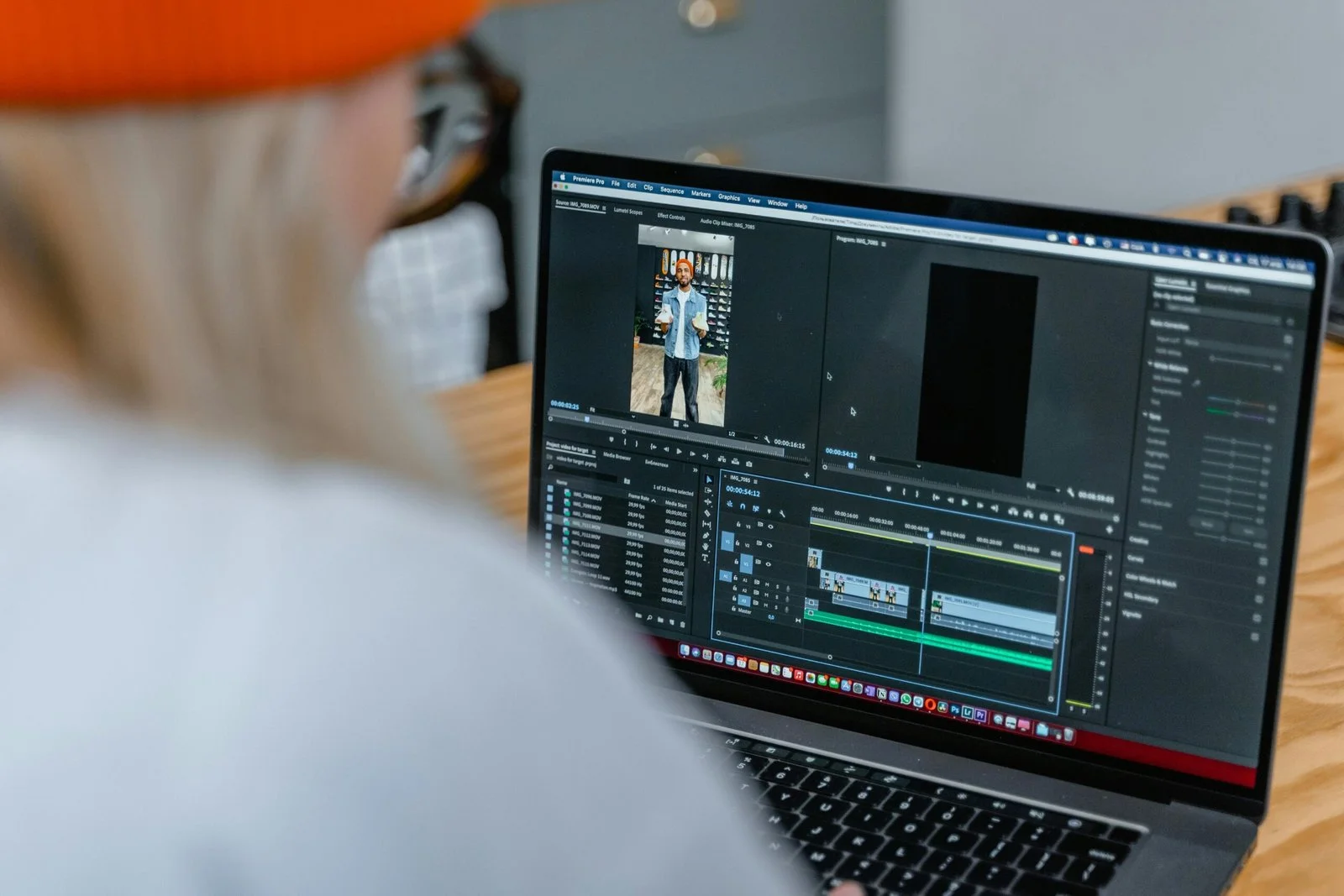
By 2026, the field has expanded to include UI animation (micro-interactions in apps), augmented reality (AR) overlays, and AI-assisted visual effects. Remote professionals are now expected to be «multi-hyphenate» creatives who can handle everything from storyboarding to the final video editing and sound synchronization.
2. The Tech Stack: Software for 2026
To compete for remote jobs in top-tier agencies, your technical proficiency must be up to date. The industry has standardized around a few key powerful tools that facilitate remote rendering and collaboration:
- Adobe After Effects: The undisputed king of 2D motion design. In 2026, its integration with AI tools for rotoscoping and object removal is essential for speed.
- Cinema 4D: The go-to software for 3D motion graphics. Its user-friendly interface makes it the favorite for broadcast design and abstract 3D visuals.
- Blender: The powerful open-source alternative that has taken the industry by storm, especially for remote freelancers looking for high-end 3D capabilities without the subscription costs.
- Unreal Engine 5: Increasingly used for «real-time» motion graphics and virtual production, allowing designers to see final renders instantly.
- Frame.io: Vital for remote workflow, allowing clients to leave time-stamped feedback directly on your video timeline.
3. Salary Expectations: The Value of Movement
Because motion design requires both technical software knowledge and artistic sensibility, the pay scale is significantly higher than that of traditional graphic design. In 2026, the market shows a strong upward trend for specialized remote animators:
| Professional Level | Average Annual Salary (USD) | Hourly Rate (Freelance) |
|---|---|---|
| Junior Motion Artist | $55,000 – $75,000 | $35 – $50/hr |
| Mid-Level Motion Designer | $76,000 – $95,000 | $60 – $85/hr |
| Senior Art Lead / 3D Artist | $100,000 – $145,000+ | $100 – $150/hr |
4. Verified Platforms for Remote Motion Jobs
Finding legitimate online employment in the creative sector requires looking beyond general job boards. We recommend focusing your search on these curated platforms:
- Motionographer (Jobs): A niche community that only lists high-quality roles from reputable studios.
- Behance & Dribbble: While primarily portfolios, their job boards are the first place creative directors look for remote talent.
- Working Nomads: Excellent for finding video editing and motion design roles in tech companies that are 100% remote.
- VFX Legion: A specialized studio model that hires remote artists specifically for film and high-end advertising.
5. The Importance of the Showreel
In remote hiring, your resume is secondary. Your **Showreel** (a 60-90 second montage of your best work) is your primary selling tool. In 2026, recruiters are looking for variety—showcasing your ability to handle typography animation, 3D modeling, and realistic visual effects will set you apart from the competition. Always host your reel on a high-quality platform like Vimeo for a professional presentation.
Conclusion: A Future-Proof Career
As the «Metaverse» and spatial computing continue to grow, the need for remote motion graphics will only increase. By mastering 3D tools and staying updated on AI integration within the Adobe ecosystem, you can secure a stable, high-paying career that allows you to work from anywhere while pushing the boundaries of digital art.
